
Designing Behaviour, Not Just Spaces
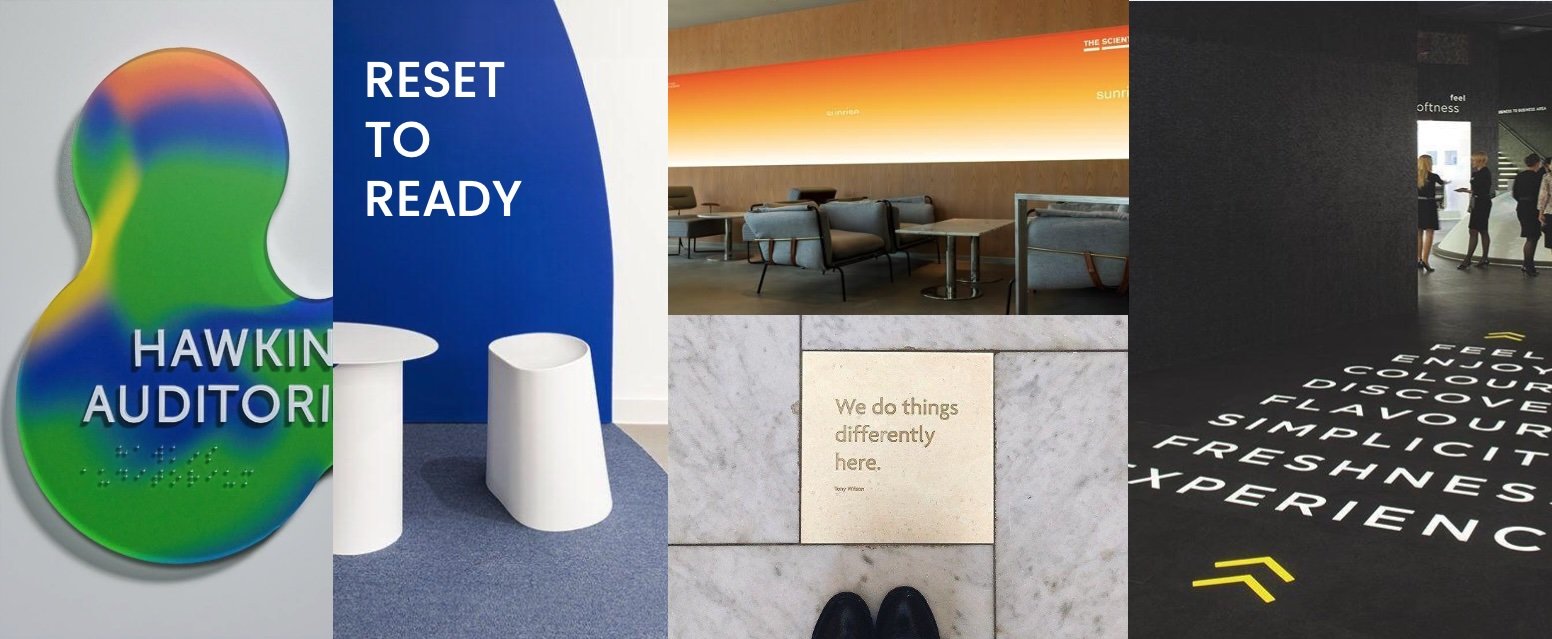
The most memorable places aren't simply well designed. They are designed around how people behave.
Where they pause. Where they gather. What they discover. How they move. What makes them stay longer. And what makes them want to come back.
This is where branding and spatial design meet.
“Spatial Experience is a brand-first approach to creating places where strategy, space and human behaviour work together.”
Most businesses develop their brand, space, and operations separately. Branding defines the positioning, architects shape the building, interior designers create the environment, and operations design the service. Each discipline does its job well, but they're rarely built around the same strategic thinking.
The result is familiar: a beautiful space that functions well, yet never quite feels like the brand it was meant to represent.
The strongest brands take a different approach. They don't treat space as the final stage of a project. They see it as one of the brand's most powerful expressions, where every arrival, transition, gathering point, and ritual reinforces what the brand stands for.
People don't remember floor plans. They remember how a place made them feel, how effortlessly they moved through it, and why it stayed with them long after they left. That's where branding becomes tangible. Spatial Experience Architecture brings brand strategy, human behavior, and the physical environment together as one cohesive system.
Your Brand Doesn't Live on the Wall. It Lives in Human Behaviour.
A brand can promise community, wellbeing, craftsmanship, or luxury. But customers don't experience those ideas through a logo. They experience them through how easily they navigate a space, where they naturally gather, how long they stay, what they notice, and, ultimately, how they feel.
The role of space is not simply to accommodate activity. It should actively reinforce the brand's promise through every interaction.
Today, physical environments are no longer defined by a single function:
Hotels become neighborhood social hubs.
Restaurants double as workspaces during the day.
Wellness destinations incorporate retail, hospitality, and F&B.
Mixed-use developments combine living, working, and leisure into one ecosystem.
As these boundaries disappear, successful brands stop designing individual spaces. They design integrated experiences that adapt to how people actually live.
The Five Principles of Spatial Experience Architecture
1. Blurred Boundaries
The lines between hospitality, retail, work, dining, wellness, and leisure continue to dissolve. A café becomes a workspace; a hotel lobby becomes a neighborhood living room. At the same time, people no longer follow predetermined journeys. One guest arrives for coffee and stays for dinner. Another spends the afternoon working before heading to the gym. The space no longer defines the journey: the user does.
2. Behaviour Before Space
Great spaces don't begin with a floor plan. They begin with human behavior. Do we want people to pause or pass through? Connect or focus? Explore or retreat? Stay longer or move on? When behavior leads the strategy, every design decision has a purpose, and every space works harder for the brand.
3. Brand as Community
People seek connection, but they also value personal space. The best destinations create both. They provide places to gather, collaborate, observe, or simply enjoy time alone, allowing different personalities and lifestyles to coexist comfortably. The result is a stronger sense of belonging and a distinct reason to return.
4. Intentional Experience Design
Every element should reinforce the behavior the brand wants to create. Lighting influences mood. Furniture shapes interaction. Visibility builds confidence. Programming brings different moments to life. These aren't simply design decisions; they're brand decisions.
5. Ritual Anchors
People remember moments more than spaces. A signature welcome, an open kitchen that becomes theater, an afternoon tea ritual, or a transition in lighting as day becomes evening. These rituals transform everyday touchpoints into memorable brand assets, creating experiences that people associate only with your brand.
From Space Planning to Brand Experience
As physical environments become increasingly multifunctional, branding can no longer stop at identity and communications.
Space has become one of the brand's most powerful touchpoints, shaping perception, behaviour and memory every day.
The opportunity is no longer simply to create spaces that look right.
It is to create places that behave like the brand.

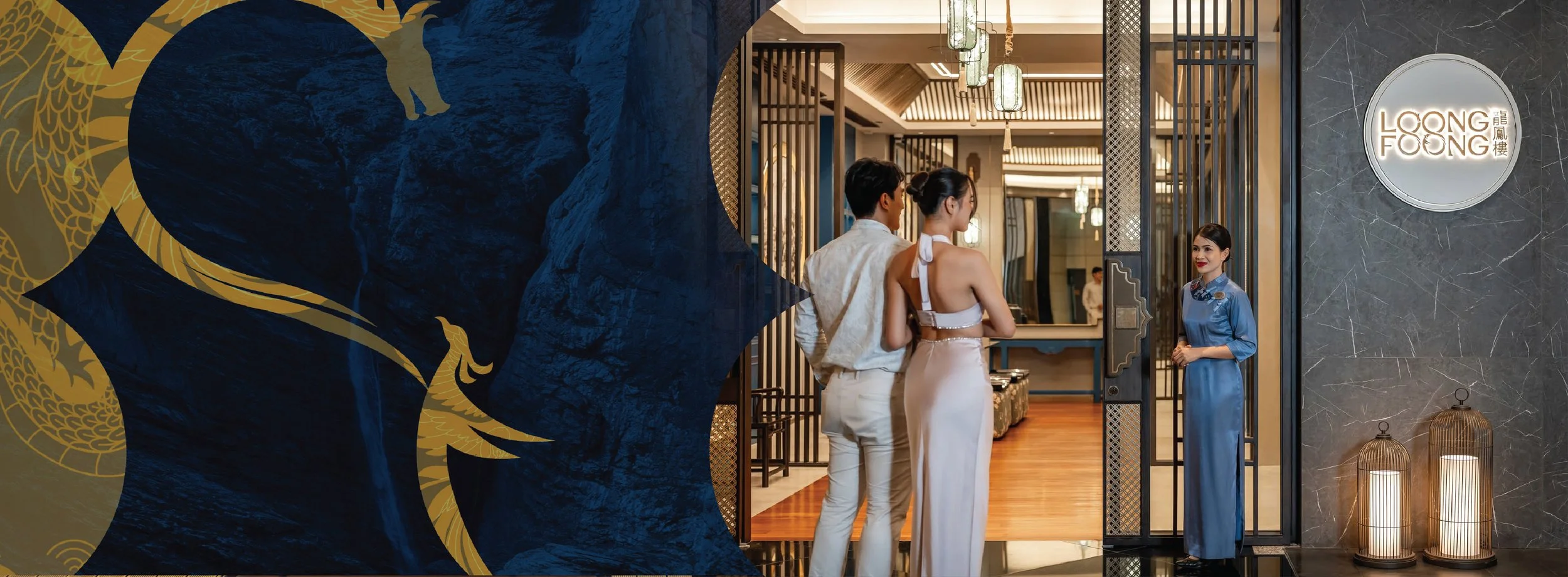
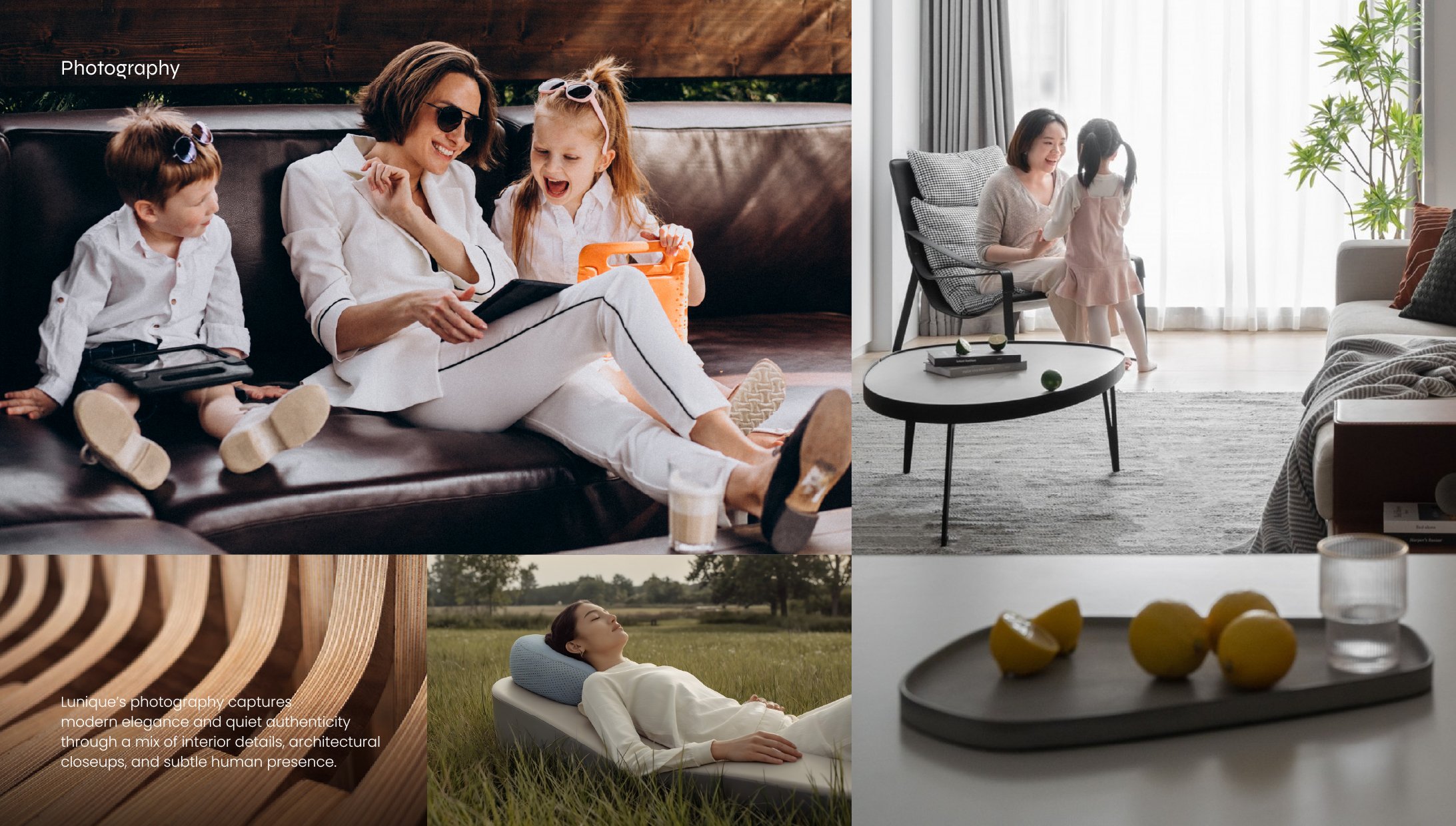
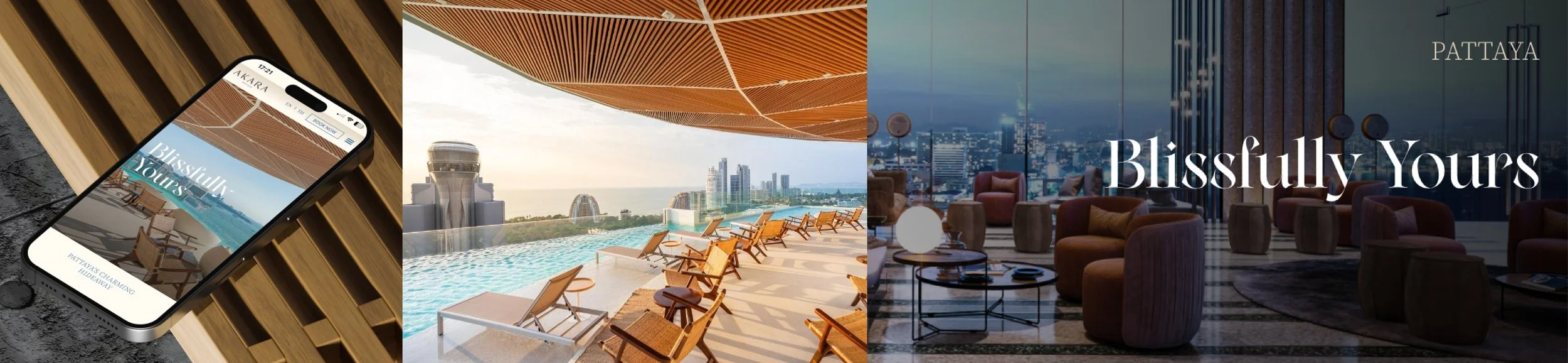


Glowin Brands Methodology for Spatial Experience
At Glowin Brands, we bring brand strategy, human behaviour, operations and physical experience together through our approach to Spatial Experience Architecture, ensuring that what a brand stands for is experienced consistently beyond the wall. Our approach is guided by The Brand Constitution™, connecting the strategic foundation of the brand to the experience people ultimately encounter.
The Core Extraction™
Defining the foundation of the experience.
The Uncommon Denominator™
Identifying what makes the destination distinct and ownable.
Market Manifestation
Translating strategy into a distinctive brand and spatial experience.
About Glowin Brands
Who we are
Glowin Brands is a brand strategy and design consultancy based in Bangkok and Hong Kong, working across hospitality, real estate, retail and consumer brands in Asia.
What we believe
The strongest brands are not simply seen. They are experienced.
What we do
We work across brand strategy, positioning, naming, identity, brand experience, spatial experience and go-to-market, connecting strategic thinking with how a brand is expressed, experienced and brought to market.
@GlowinBrands 2026